
Wild Garlic
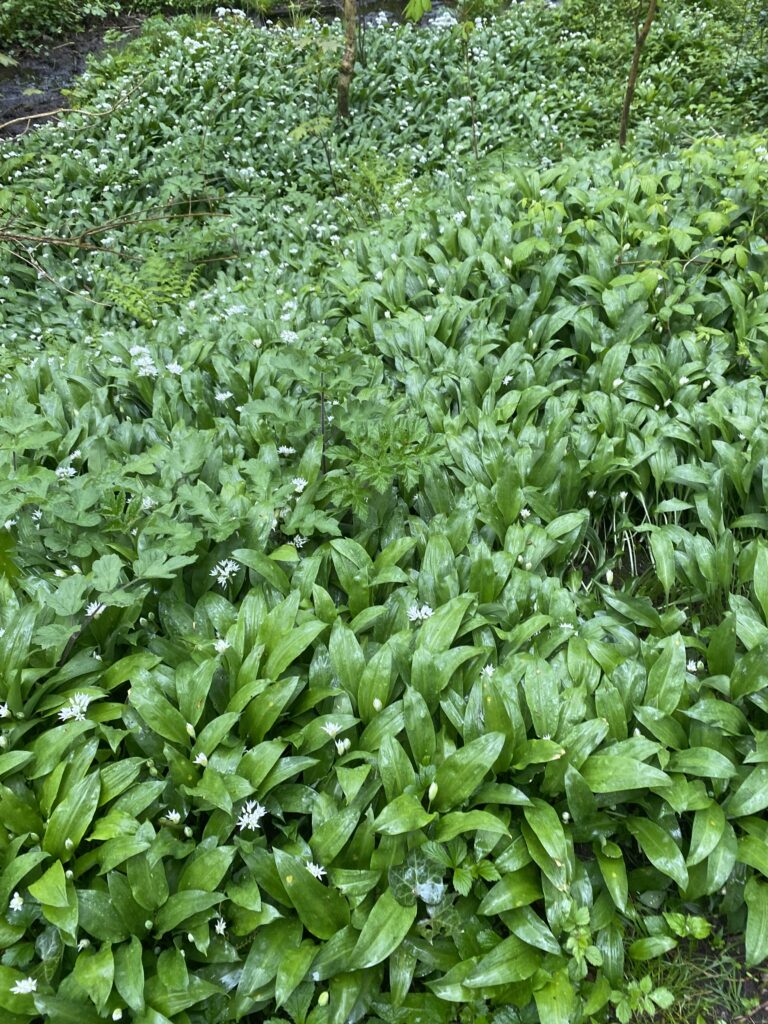
Wild garlic, also known as ramsons or Allium ursinum, is a much-loved springtime plant in the UK, found carpeting damp woodlands with its lush green leaves and delicate white star-shaped flowers. It has a distinctive garlicky aroma, especially noticeable when the leaves are crushed underfoot. Unlike bulb garlic, wild garlic is valued for its mild, fresh flavour, which makes it perfect for a variety of dishes.
The season usually runs from March to May, and foragers seek it out for use in soups, pestos, butters, breads, and salads. The leaves are best picked when young and tender, while the buds and flowers make excellent garnishes or even pickles. It’s incredibly versatile and can be used raw or cooked.
When foraging, always make sure you’re confident about identification, as some plants (like lily of the valley) can look similar but are toxic. Always pick responsibly—never take more than you need and avoid uprooting the plant.
Wild garlic is not just tasty—it a source of vitamins A and C, and has been traditionally used for its antibacterial properties. Whether blended into butter or stirred through pasta, it’s a wonderful way to enjoy the best of what spring has to offer.
Tip: when cooking with wild garlic, add it in the last 2 or 3 minutes. Do not over cook.
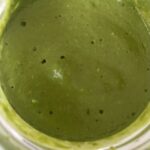
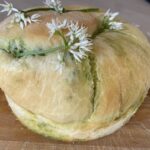
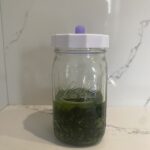
Also use in
- Nettle Soup
- Omelettes
- Pasta
Italian cuisine does not traditionally use wild garlic but it goes well in
- Pizzas
- Focaccia
- Arancini
Nutrition
Here’s an approximate nutritional breakdown for wild garlic (Allium ursinum) per 100 g of fresh leaves. Keep in mind these are general values based on available data for wild garlic and related greens — actual values may vary slightly depending on soil, growing conditions, and season.
| Nutrient | Amount |
|---|---|
| Calories | ~30 kcal |
| Carbohydrates | ~4.0 g |
| Protein | ~2.4 g |
| Fat | ~0.2 g |
| – Saturated Fat | ~0.03 g |
| – Polyunsaturated Fat | ~0.10 g |
| – Monounsaturated Fat | ~0.02 g |
| – Trans Fat | 0 g |
| Cholesterol | 0 mg |
| Sodium | ~20 mg |
| Potassium | ~430 mg |
| Fibre | ~1.8 g |
| Sugar | ~0.4 g |
| Vitamin A | ~4000–5000 IU |
| Vitamin C | ~50–100 mg |
| Calcium | ~75 mg |
| Iron | ~2.1 mg |
Wild garlic is especially rich in vitamin C, vitamin A, and antioxidants, and it’s long been valued for its antibacterial and digestive benefits. It’s low in calories and fat — great as a seasonal green for adding flavour and nutrients.
Health Benefits & Uses
Nutritional & Active Components
Wild garlic leaves are rich in vitamins (notably vitamin C and beta-carotene) and essential minerals like calcium and iron. Beyond basic nutrition, key bioactive compounds include sulphur-containing molecules (such as alliin and allicin derivatives), phenolic and flavonoid compounds (including kaempferol and quercetin derivatives). PMC+2PMC+2
These compounds underlie much of the plant’s purported health effects.
Cardiovascular Support
Several studies suggest wild garlic may promote heart and circulatory health. It has been shown to help lower blood pressure and reduce total cholesterol, while potentially increasing HDL (“good”) cholesterol. PubMed+2MDPI+2 The sulphur compounds and flavonoids appear to improve vascular tone and inhibit platelet aggregation. Cancer Schmancer+1
For example, research found that the wild garlic group experienced a greater reduction in systolic blood pressure than the equivalent garlic group. PubMed
This makes wild garlic an excellent addition to a diet supporting cardiovascular health—but of course not a replacement for medical treatment.
Antimicrobial, Anti-Inflammatory & Detoxifying Properties
Wild garlic exhibits antimicrobial activity (against certain bacteria and fungi) and anti-inflammatory effects in lab studies. PMC+1 It has also been used traditionally as a diuretic and detoxifier (“spring tonic”), helping the body clear metabolic waste and support digestion.
Foragers and herbalists often regard it as a gentle supportive herb for mild digestive and respiratory complaints.
Digestive & Immune Support
Because of its mild antimicrobial and prebiotic-type activity (supporting beneficial gut bacteria), wild garlic may support healthy digestion and microbial balance. Its rich vitamin C content and sulfur compounds also contribute to immune support.
In folklore it was carried during flu pandemics and used to ward off infections, a testament to its traditional role in immune-supportive diets.
How to Use Wild Garlic for Health
Fresh leaves: Add raw to salads, soups, dressings or as a pesto—retaining more of the active compounds.
Infusion / tea: Use a few finely chopped leaves, pour hot water and steep 10 minutes. Drink as part of a cleansing ritual.
Oil or vinegar infusion: Steep leaves in olive oil or good vinegar to capture flavor and nutrients for dressings or cooking.
Incorporated into daily meals: Because many of the benefits are cumulative, integrating wild garlic into everyday food (rather than just “remedy mode”) is wise.
Caution & Practical Notes
While promising, scientific evidence is still limited, and many claims are based on in-vitro or animal studies—not large human trials. For example, although wild garlic may lower blood pressure and cholesterol, the level of effect and optimal dose are not yet well-defined. WebMD+1
Because it may reduce blood clotting, anyone on anticoagulant or antiplatelet medication (e.g., warfarin, aspirin) should consult a healthcare professional. WebMD
Harvest from clean, uncontaminated woodlands; ensure correct identification (as wild garlic has toxic look-alikes).
Use as part of a balanced diet—eating whole, home-cooked natural food remains the cornerstone of health.
Pregnant or breastfeeding individuals should proceed with caution and seek professional advice.
Note: I am not medically or dietetically qualified, and this information is for general interest only. Anyone considering using plants or wild fungi for health purposes should seek professional advice from a qualified practitioner.