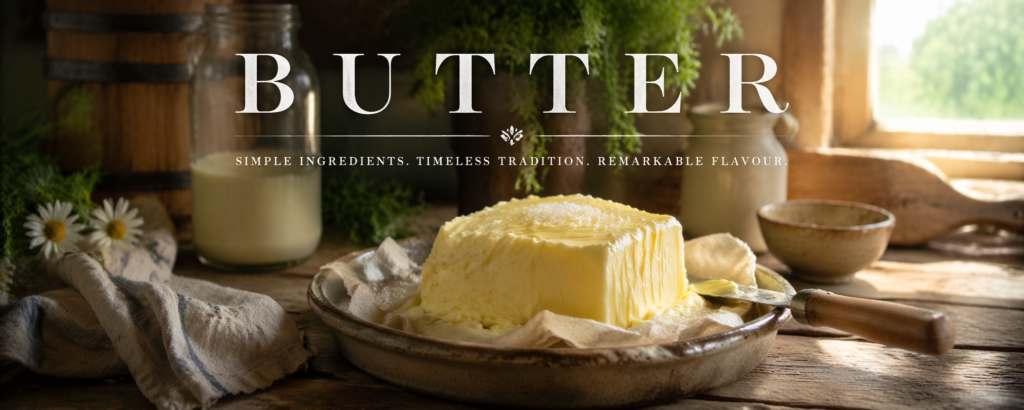
Butter is one of the simplest things you can make — and so very satisfying.

There is something deeply satisfying about making butter from scratch – transforming cream into something rich, golden and full of character. It feels both ancient and wholesome, like you are bringing farm traditions into your own kitchen.  Long before refrigeration, before industrial dairies, butter was a daily craft in farmhouses and kitchens.

At its heart, butter-making is about patience and rhythm. Agitation turns cream into butter, separating fat from buttermilk, and what remains can be shaped, salted, cultured, or left pure. The flavour depends not just on the cream, but on time, temperature, and the care taken in handling.

Homemade butter has a softness and depth that is hard to find in shop-bought versions  and it carries beautifully whatever you choose to add — sea salt, herbs, wild garlic, or even a touch of honey.

This page brings together simple methods for making butter at home, from the most basic jar method to more mechanical approaches.

Equipment

You need very little to make butter, and most kitchens will already have everything required. You don’t need a churn.

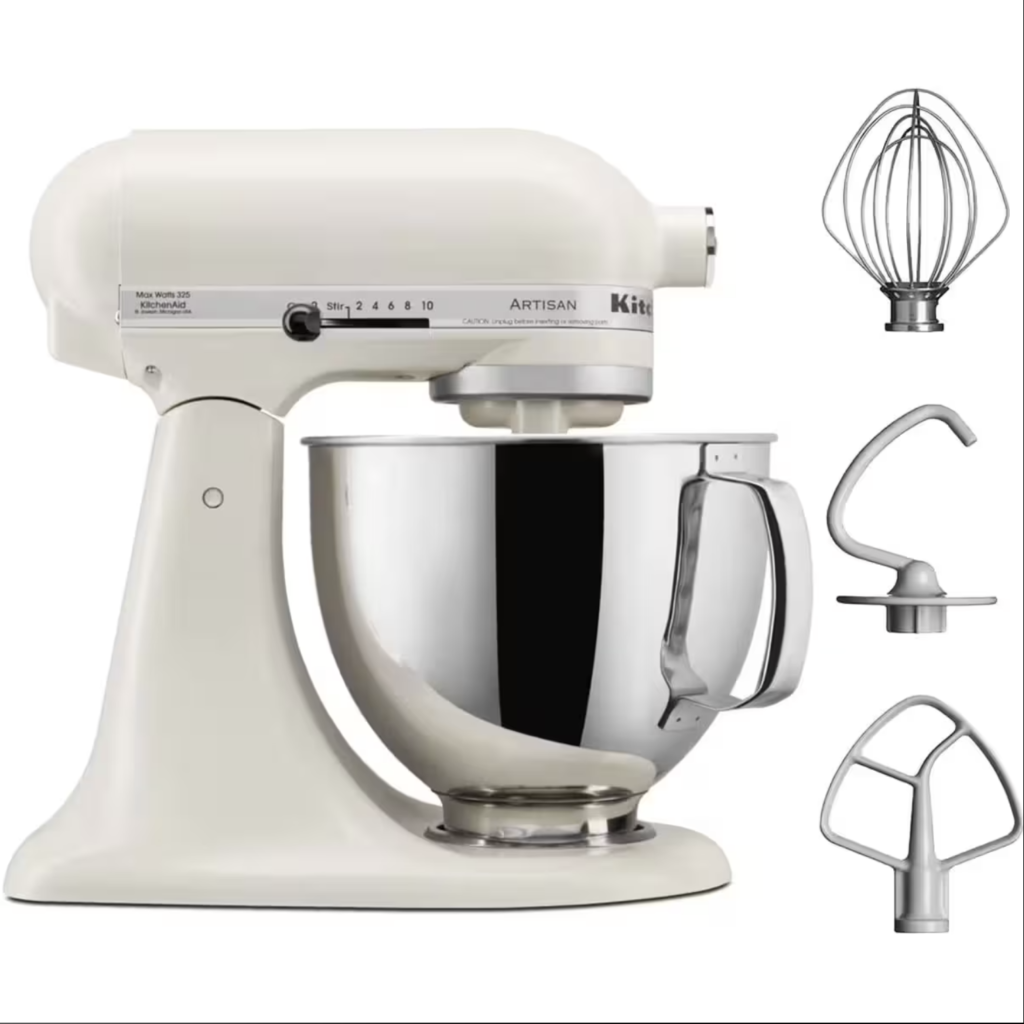
At its simplest, all you need is a container to agitate the cream. A large jar with a tight-fitting lid works perfectly, making it an ideal method to do by hand. A stand mixer, a food processor or even a hand whisk will speed things up.

Once the butter forms, you will need a bowl of cold water for washing, which helps remove the remaining buttermilk and improves keeping quality. A wooden spoon, spatula, or even your hands can be used to press and shape the butter.

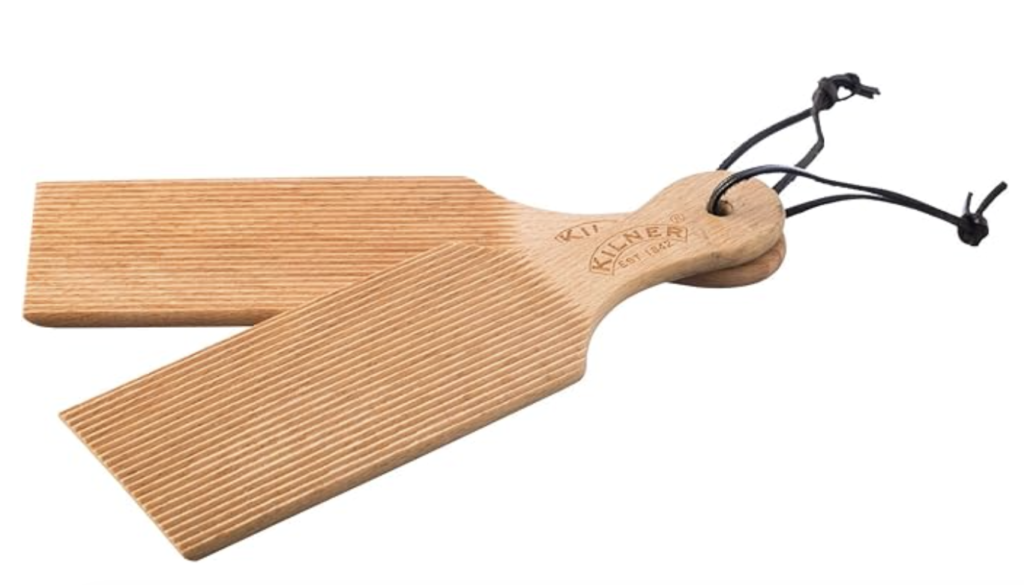
Butter paddles are useful for shaping and removing excess liquid, though they are by no means essential. I have the Kilner ones.

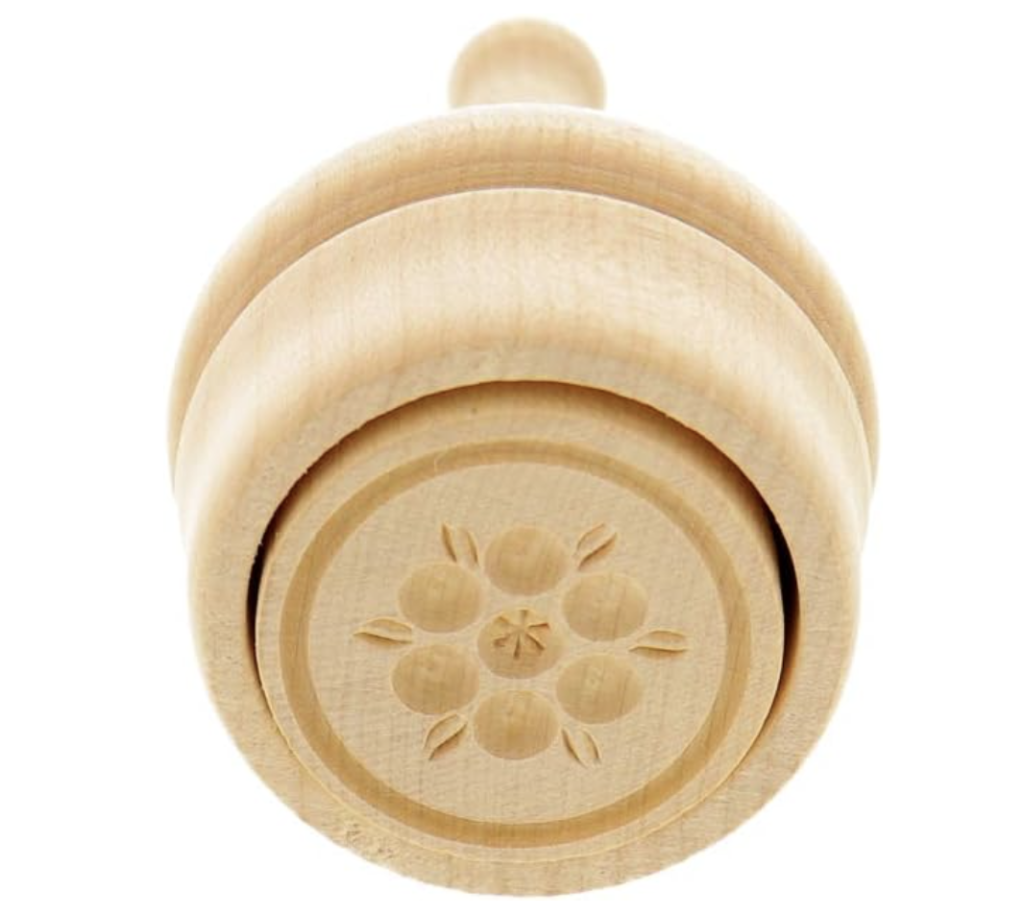
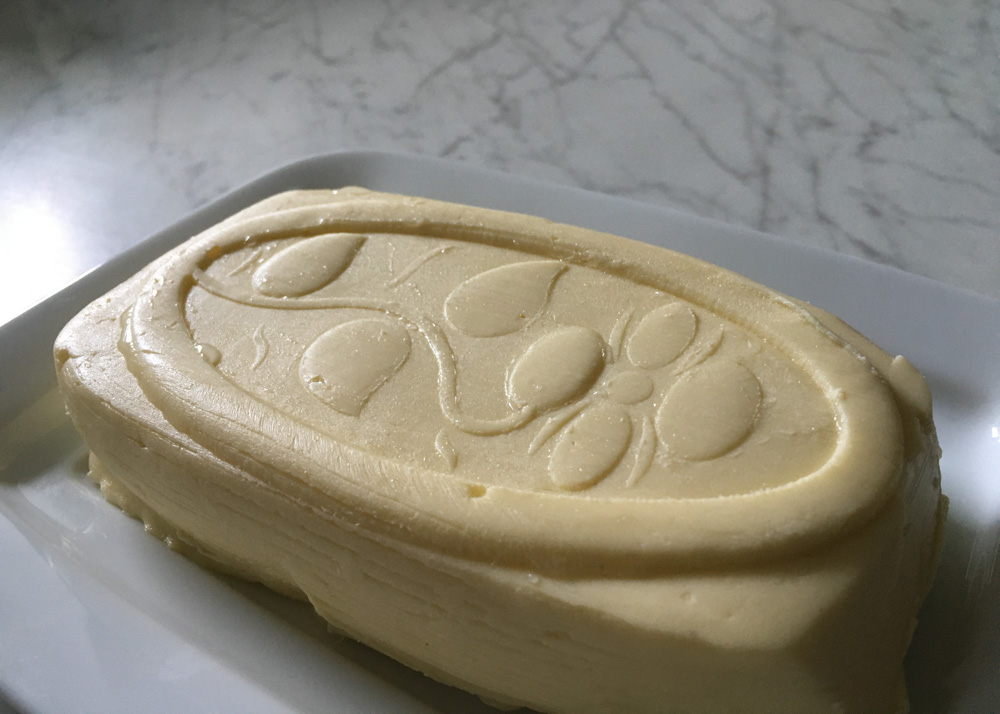
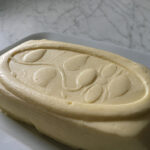
I like to use butter presses to decorate the top — it just gives the butter that extra homemade finish. I also have an enclosed butter press which I use to shape it into a neat block, and it leaves a pattern on the top at the same time, which I think makes it feel a bit more special.

The Process 

Butter begins with good quality cream, ideally with a high fat content. From 500ml cream you can expect around 200–250g butter plus fresh buttermilk.

As the cream is agitated, it first thickens into whipped cream.

Keep going a little longer than you think — the change happens quite suddenly. You’ll notice the sudden change — the thick resistance gives way to a sloshing sound. That’s the butter forming.

At this stage, solid butter separates from liquid buttermilk. The butter is then gathered, washed in cold water, and gently worked to remove any remaining liquid. This step is important for both texture and shelf life.

From here, the butter can be left plain, salted, or flavoured. It can be shaped into blocks, rolled into logs, or simply stored in a jar.

Basic method

Home-made Butter (Jar Method)

A simple, hands-on way to make butter using nothing more than a jar and a little patience. This is the most tactile method and a good one to do with children — you can feel and hear the transformation as it happens.
From 500ml cream you’ll get roughly 200–250g butter plus fresh buttermilk.
Prep Time 30 minutes

Equipment

  • large jar
  • Butter paddles if you have them

Ingredients
  

  • 500 ml double cream at room temperature
  • ½ tsp fine sea salt optional

Washing

  • ice

Instructions
 

  • Pour the cream into a large jar, filling it no more than halfway. This space is important as it allows the cream to move freely as you shake.
  • Secure the lid tightly and begin shaking the jar. After a few minutes, the cream will thicken into whipped cream. Keep going.

Separation

  • Continue shaking and you will feel and hear a sudden change — the mixture will loosen and a sloshing sound will develop. This is the moment the butter separates from the buttermilk.
  • Open the jar and strain off the buttermilk into a bowl. This can be used for baking or cooking.

Washing out remaining buttermilk

  • Transfer the butter to a bowl of iced water. Gently press and fold it in your hands to release any remaining buttermilk. Pour off the cloudy water and repeat until the water runs clear.

Salting and shaping

  • If using salt, work it evenly through the butter at this stage.
  • Shape as desired or store in a covered container in the fridge.

Notes

Using cream at room temperature speeds up the process and gives a better yield.
Washing the butter thoroughly improves its shelf life and flavour.
The finished butter will keep for several days in the fridge, longer if well salted.
Tried this recipe?Let us know how it was!

The modern - and quick way

While giving you the basic home made method, I use a stand mixer. I also use butter paddles to force more liquid out of the butter.

My favourite is a very basic recipe using sea salt crystals.

The recipe

Flavoured Butters

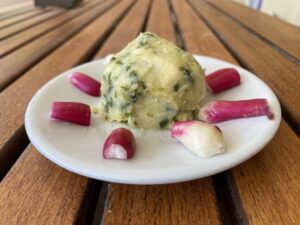
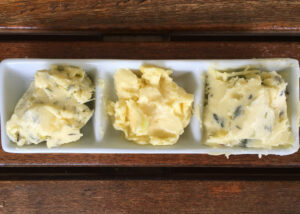
You can use your home-made butter to create some herby flavoured butters but it really is not cheating to use shop bought butter for this

Garlic butter

Roasting the garlic is essential to get the flavour of garlic without being overpowering.Ideally roast the garlic bulbs while you are cooking baking something else

Recipe »

Don't forget to use the buttermilk

How to use the buttermik

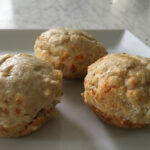
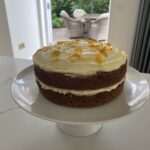
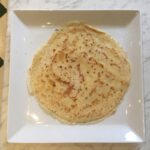
The buttermilk left behind is far too good to waste. Fresh from butter-making, it is light, slightly sweet, and gently tangy, with a clean dairy flavour that works beautifully in both sweet and savoury cooking. It can be used straight away in scones, soda bread, pancakes or cakes, where it adds a subtle depth. It also makes an excellent base for dressings or marinades.

If not using immediately, keep it chilled and use within 2 or 3 days, while its flavour is still at its best. You can also freeze it if not using immediately.

Recipes using buttermilk

Buttermilk can replace milk directly in recipes, or water where a richer, softer result is desired.

See also the page on Buttermilk

Leave a Comment

Your email address will not be published. Required fields are marked *

Recipe Rating


Scroll to Top