
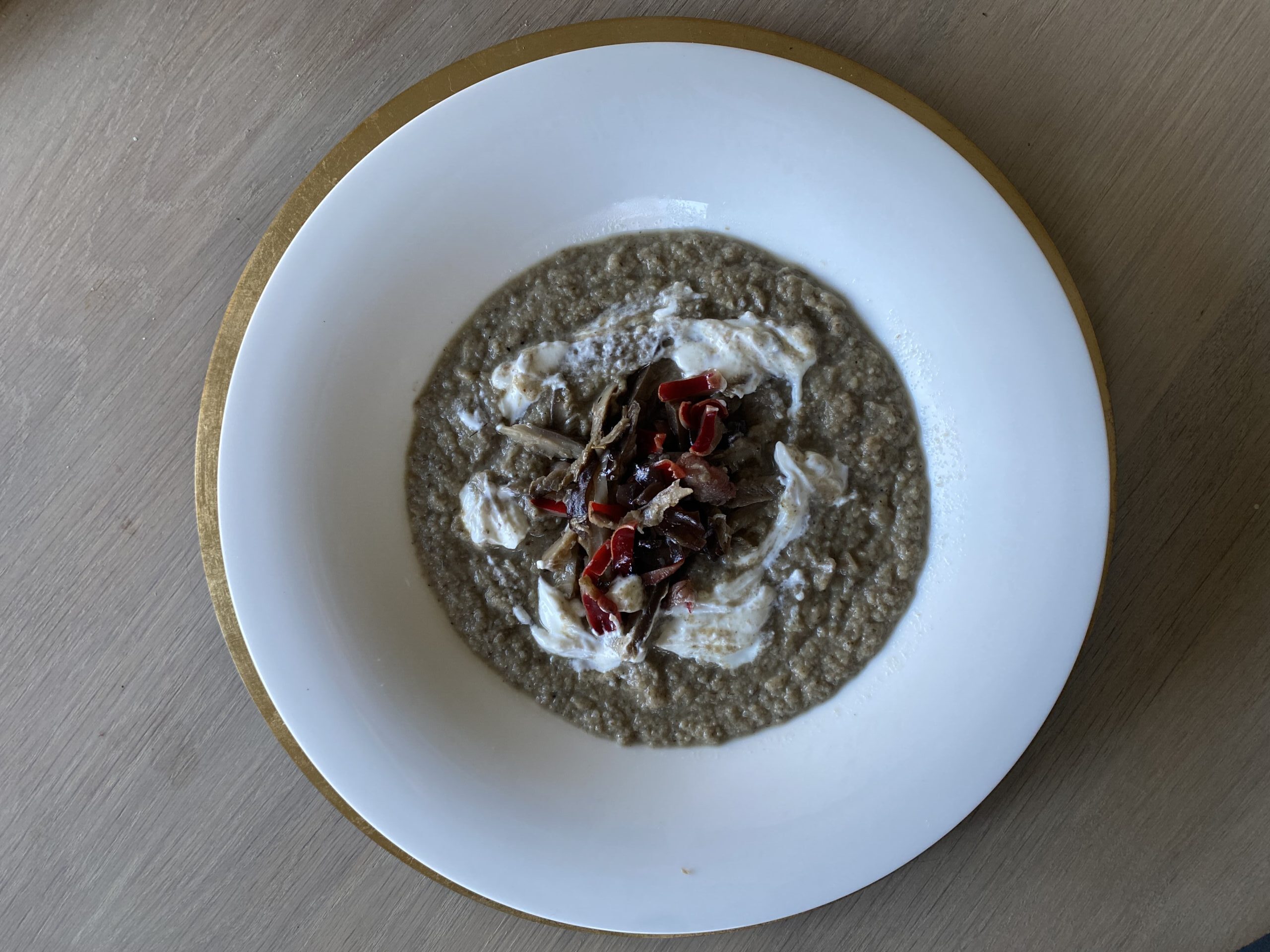
Roasted Oyster Mushroom Soup
A woodland mushroom soup with deep roasted flavour. Roasting oyster mushrooms concentrates their flavour and gives this soup a rich, savoury depth. A small potato
Woodland salad
Scarlet elf cups (Sarcoscypha coccinea) are mild, slightly mushroomy, visually stunning. Jelly ears (Auricularia auricula-judae) have little flavour but a beautiful, silky bite. Together: colour

Pickled Scarlet Elf Cups and Jelly Ear Mushrooms
The jelly ears take on the pickle beautifully; the elf cups hold their shape like edible petals.
Jelly Ears
Jelly Ears (Auricularia auricula-judae)
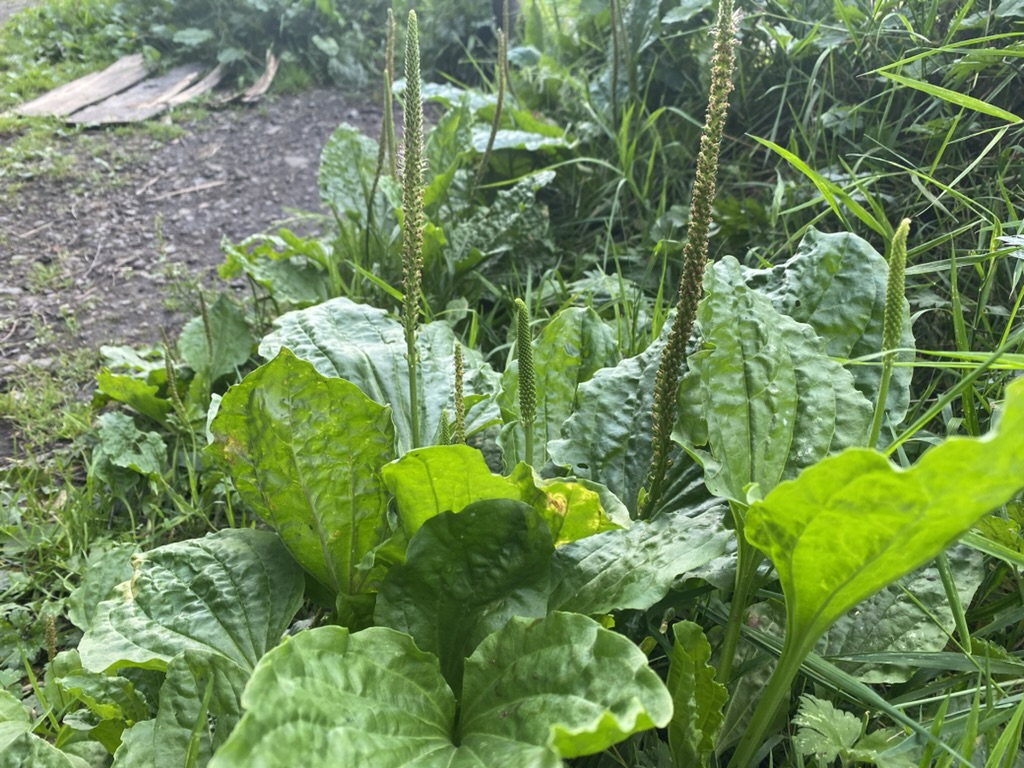
Broadleaf Plantain
Broadleaf Plantain Broadleaf Plantain, (Plantago major) called Common Plantain or Greater Plantain, is one of the most widespread and resilient wild plants in Britain. You’ll
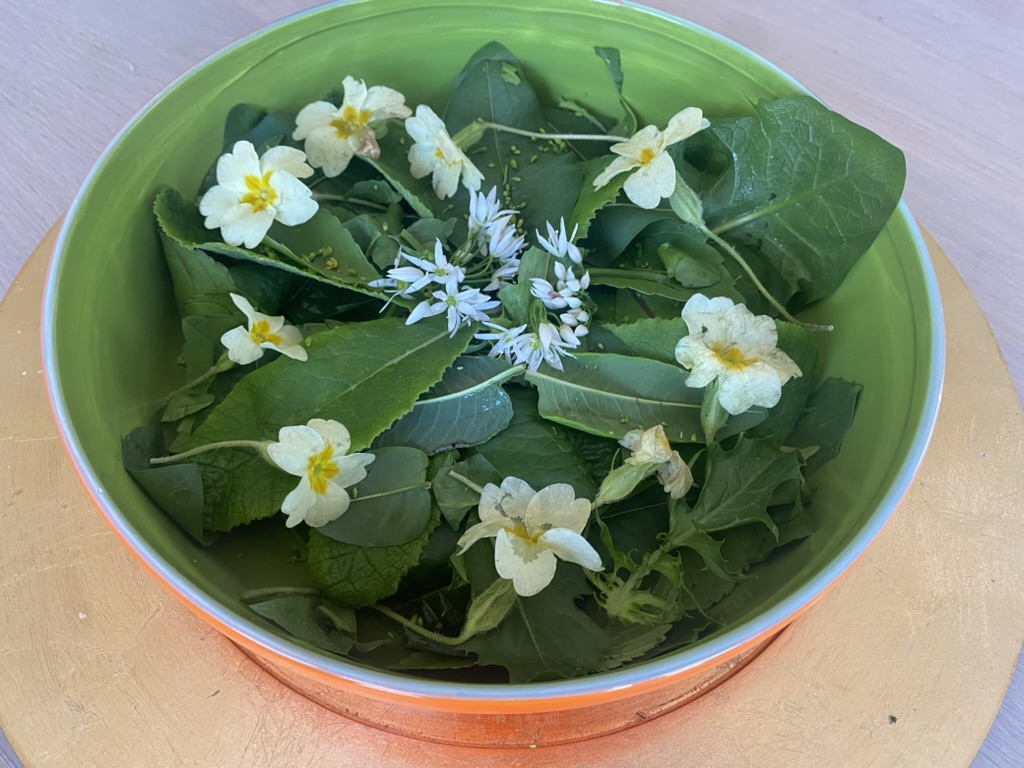
Foraging in Worsley Woods
Foraging in Worsley Woods What to pick and what to leave behind Worsley Woods was declared a Local Nature Reserve in 2006. The area is
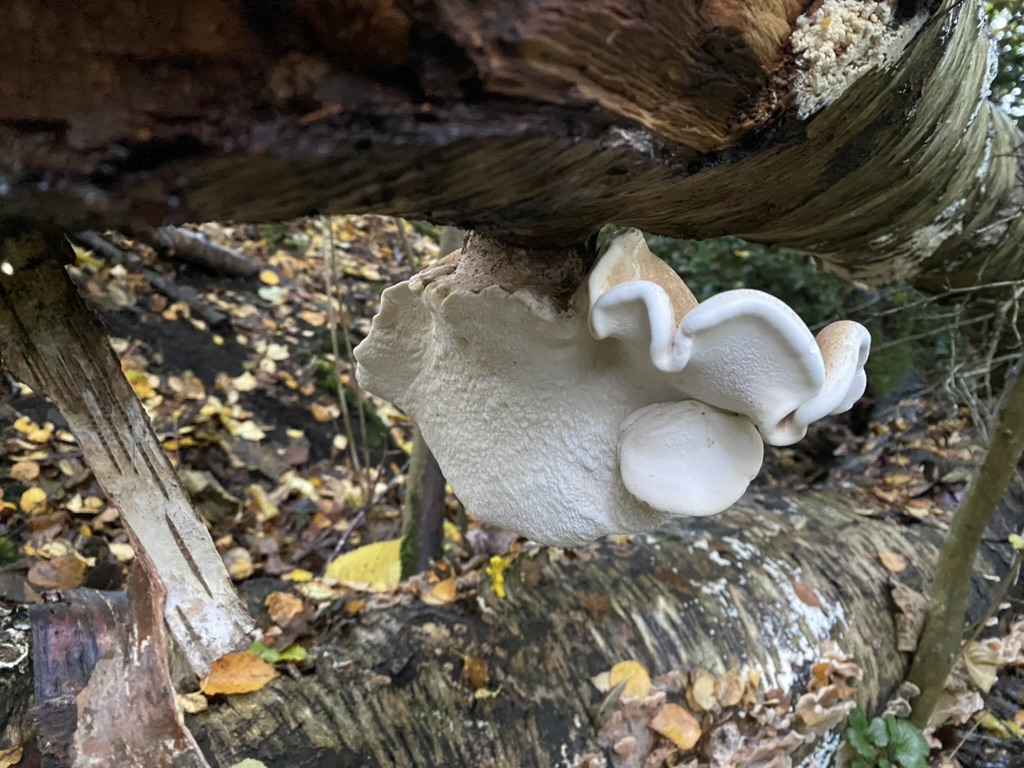
Birch Polypore
Birch Polypore Birch Polypore (Fomitopsis betulina, formerly Piptoporus betulinus) is a distinctive bracket fungus that grows almost exclusively on birch trees, often appearing as smooth,
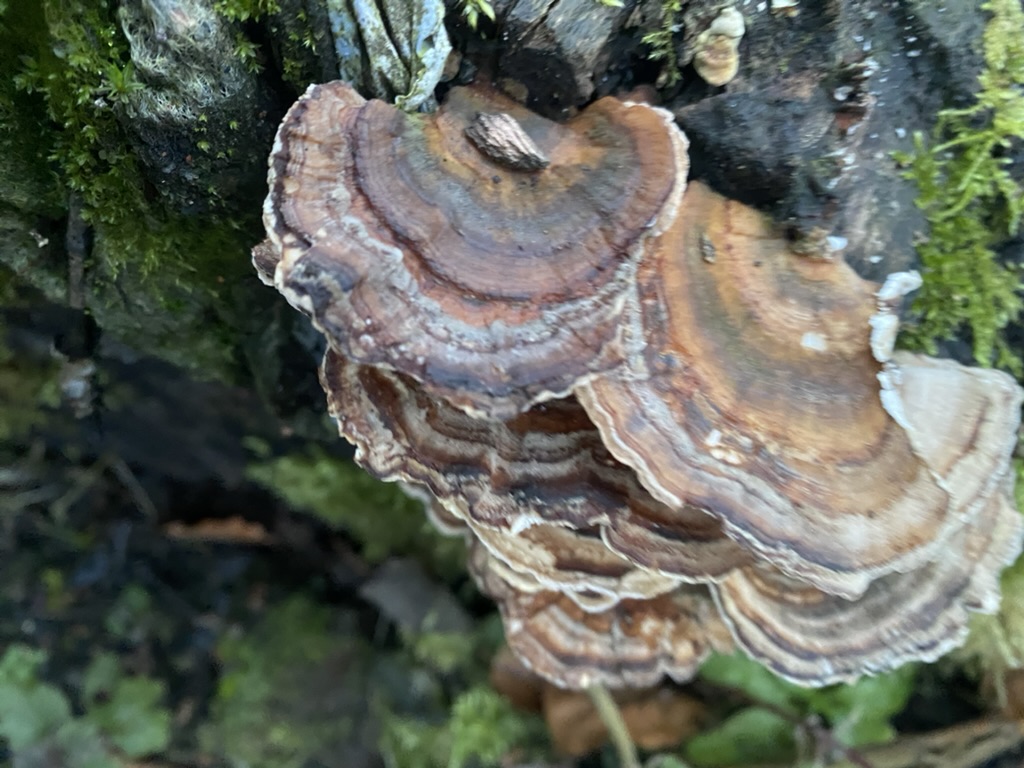
Turkey Tail
Turkey Tail Turkey Tail (Trametes versicolor) is a common bracket fungus that grows on dead wood, easily recognised by its colourful, fan-shaped layers resembling the
Foraged apples – how to test
Foraged apples – how to test Why tart apples work best Using tart apples is generally the best choice for chutneys and jellies, and here’s