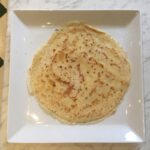
After Christmas and Easter, Pancake Tuesday is one of the most widely observed Christian traditions of the year. Its Christian roots go back to medieval preparations for Lent.
Pancake Tuesday or Mardi Gras (which simply means “Fat Tuesday” in French), traditionally marks the day before the Christian season of Lent which begins on Ash Wednesday. Lent is a time when people once prepared for weeks of simpler eating and reflection. Because richer foods like eggs, milk, butter and sugar were historically given up during Lent, families used them up the day before. Pancakes became the traditional way to use up eggs, milk, butter and sugar.
Across the Christian world, the recipes for pancakes varied and in some traditions there were pastries and types of doughnut.
In England and Ireland, families make the familiar thin pancakes with lemon and sugar. Scotland has its tradition of drop scones. In France and Belgium, it’s the closely crêpes. The Netherlands enjoys large pannenkoeken or tiny butter-dusted poffertjes.
Italy has carnival crêpes and sweet fritters. In Spain’s Galicia region there are very thin filloas, and in Eastern Europe blini are eaten during the final pre-Lent celebrations, while parts of Central Europe favour rich filled doughnuts such as pączki or Berliner.
Traditional English and Irish pancakes
Here is a tradition style recipe with a couple of dietary options that have also been well tested.
“Shrove” comes from the old English verb to shrive, meaning to confess sins and receive forgiveness — because the day was traditionally a time for confession before Lent began.
A medieval tradition
Pancakes are far older than Shrove Tuesday itself. Simple flat cakes made from ground grain and water were already being cooked on hot stones by prehistoric people thousands of years ago. The first written recipes appear in ancient Greece, where small fried cakes made with flour, oil, honey and milk were described in 5th-century BC texts, and the Romans later recorded similar sweet pan-fried batter dishes. By the Middle Ages, the familiar egg-milk-flour pancakes were well established across Europe, and in England they became closely linked with Shrove Tuesday.