Lent
A traditional meat-free meal inspired by Christian fasting customs across Europe
For centuries, Lent was observed with simpler food, fewer animal products, and an emphasis on humility and restraint. Across Europe this produced a tradition of vegetable soups, pulse stews, oil-based breads, and modest sweets. This supper brings together four classic dishes from Italy, Greece, and Spain that reflect how ordinary households might have eaten during the Lenten season: nourishing, affordable, and rooted in seasonal pantry ingredients.
Italian Lentil Soup (Zuppa di Lenticchie)
Lentils have long symbolised humility and sustenance in Italy. During Lent, when meat was avoided, lentil soup became a staple because it was cheap, filling, and easy to store through winter. Monasteries and rural families alike relied on simple lentil soups flavoured with olive oil, herbs, and whatever vegetables remained from the cold season.
Greek Lagana (Lenten Sesame Flatbread)
Lagana is baked on Clean Monday, the first day of Orthodox Lent. Because the Orthodox fast excludes dairy and eggs, this bread uses only flour, water, yeast, and olive oil. Its flat shape symbolises simplicity and humility, and it is traditionally eaten with olives, beans, or vegetable dishes throughout the Lenten season.
Spanish Chickpea & Spinach Stew (Potaje de Vigilia)
This is one of Spain’s most famous Lenten dishes. “Vigilia” refers to fasting days when meat was forbidden. Traditionally the stew includes salt cod, but many households also made a simpler vegetable version. Chickpeas, spinach, olive oil, and paprika reflect the classic Spanish Lenten pantry.
Mediterranean Olive Oil Cake (Lenten-friendly sweet)
Across southern Europe, Lenten baking avoided butter but not celebration entirely. Cakes made with olive oil instead of dairy became common, especially in Italy and Greece. These simple citrus-scented cakes provided a modest sweetness while respecting fasting rules.
Western European Lenten baking often replaced butter with olive oil but still used eggs, while stricter Orthodox traditions avoided eggs entirely
Easter
Hot Cross Buns
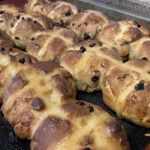
Hot cross buns developed as a Lenten bread, traditionally eaten on Good Friday when rich foods were restricted but spiced sweet dough was still allowed. The buns used stored dried fruit and warming spices to mark the season, while the cross on top symbolised the Crucifixion. Baked at the end of Lent, they became both a devotional food and a practical early-spring treat.
Carrot Cake
During Lent, when butter, eggs, and sugar were often limited, cooks used naturally sweet vegetables instead. Carrots were cheap, stored well through winter, and added natural sweetness, so carrot puddings and breads were common by early spring and later evolved into celebratory Easter cakes.

Jamaican Easter Bun
Jamaican Easter Bun is a rich, dark, spiced fruit loaf traditionally eaten at Easter, especially on Good Friday. It developed from earlier colonial hot cross bun traditions, but in Jamaica it evolved into a sliceable bun flavoured with stout, molasses, dried fruit, and warm spices.
Chocolates
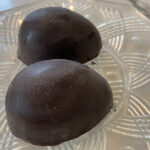
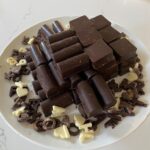
Home-made Easter chocolates are a simple and joyful way to mark the festival, turning good chocolate into personalised eggs, filled treats, or small gift sweets for family and friends. Making them at home allows you to choose the cocoa strength, fillings, and decorations, from classic nut or caramel centres to fruit, marzipan, or spiced ganache. Traditionally prepared in the days leading up to Easter, they capture the celebratory spirit of the season and make thoughtful edible gifts as well as a centrepiece for the Easter table.